
and Human Rights

Advisory Opinion AO-32/25 as a Roadmap
Join the conversation.

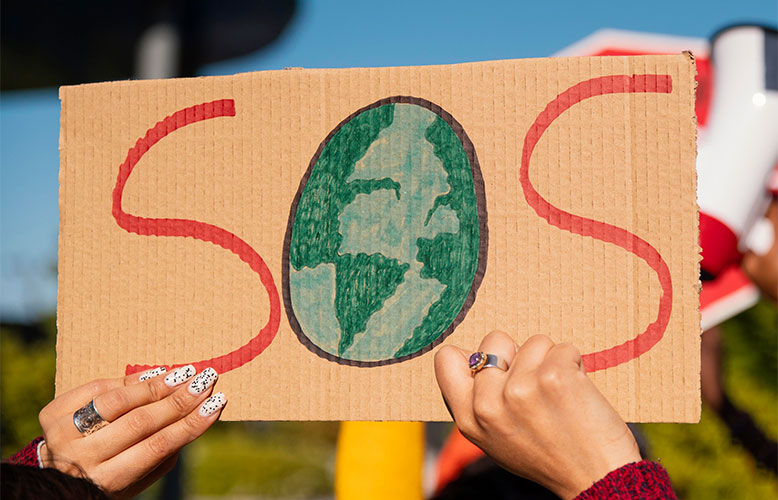
Environmental crisis
Brazil and Bolivia top the global list of countries with the highest deforestation rates. In Brazil, fires in the Amazon have reached alarming levels, with 53,620 hotspots recorded between January and August 2024. In Bolivia, wildfires have affected over 10 million hectares (24.7 million acres), destroying 60% of forested areas and impacting 38% of Indigenous territory.
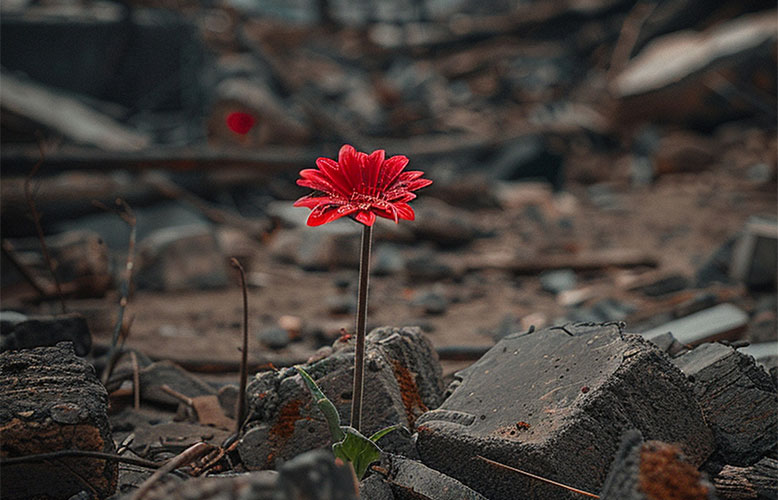
Natural disasters
Between 2000 and 2022, 190 million people in the region were affected by 1,534 natural disasters.
Economic impact
Latin America and the Caribbean lose approximately USD 58 billion annually in infrastructure due to natural disasters, many of which are worsened by climate change. Despite being the second most disaster-prone region, it invests less than 2% of its budget in risk prevention and management.
Forced displacement
Droughts, hurricanes, and rising sea levels are exposing entire communities to forced displacement in countries like Mexico, Guatemala, Honduras, Nicaragua, and Panama. In Mexico, for instance, 51 families from El Bosque, Tabasco, became the first to be relocated due to climate impacts. By 2050, an estimated 17 million people in Latin America may be forced to migrate due to climate change.
Food security and education
Droughts in the Amazon have affected over 420,000 children and adolescents in Brazil, Colombia, and Peru. River levels have dropped to historic lows, making access to food, clean water, and education services increasingly difficult.
Violence against environmental defenders
In 2023, Latin America accounted for 85% of the killings of environmental defenders around the world. Colombia, Brazil, Mexico, Nicaragua and Honduras are among the five most dangerous countries for environmental defenders.

Impact on youth
59% of young people worldwide are concerned about climate change, and 45% say this worry affects their daily lives.
Climate change and health
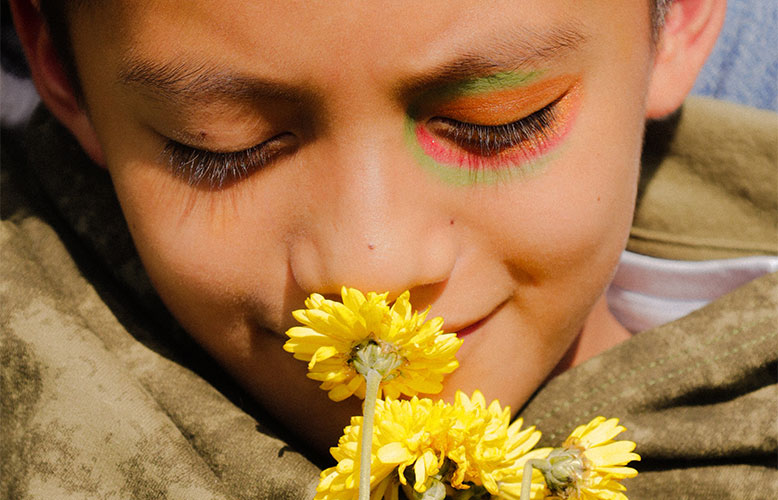
Climate change poses a serious threat to public health, exacerbating respiratory, cardiovascular, and neurological diseases due to poor air quality and rising temperatures. Exposure to pollutants like tropospheric ozone and black carbon worsens asthma, strokes, and heart disease, especially among children, the elderly, and vulnerable communities.
Temperature increase
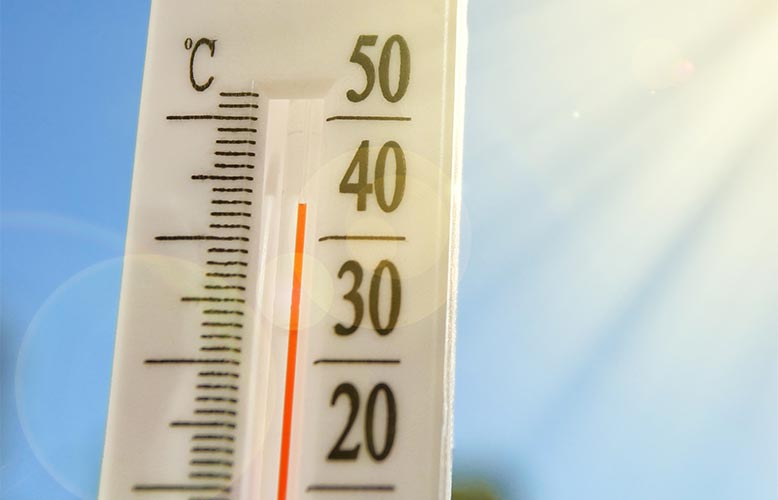
In 2024, the average temperature in the region was +0.90 °C above the 1991–2020 average. It was the warmest year on record in Central America and the Caribbean, and either the warmest or second warmest in Mexico and South America.
Displacement
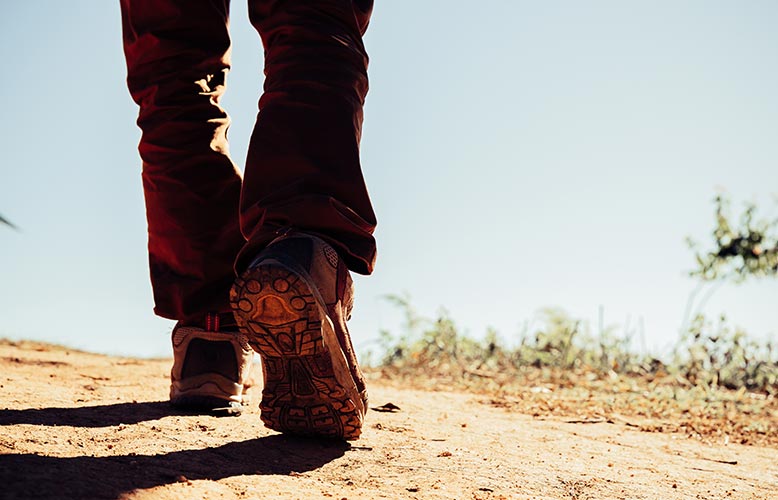
In the Caribbean, between 2008 and 2023, nearly ten million people were internally displaced due to extreme weather events and other environmental emergencies. This number is expected to keep rising.
Disasters
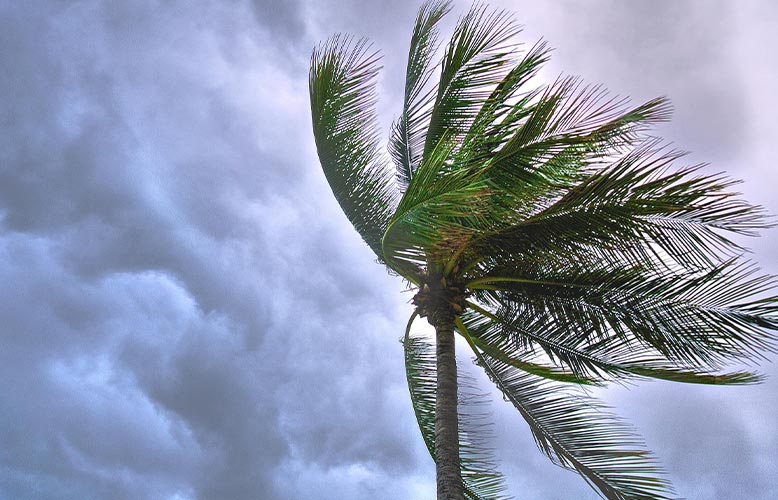
Latin America and the Caribbean is one of the most vulnerable regions to the negative impacts of climate change, including floods, storms, droughts, and landslides. In 2024 alone, 56 hazardous events and disasters were recorded in the region.